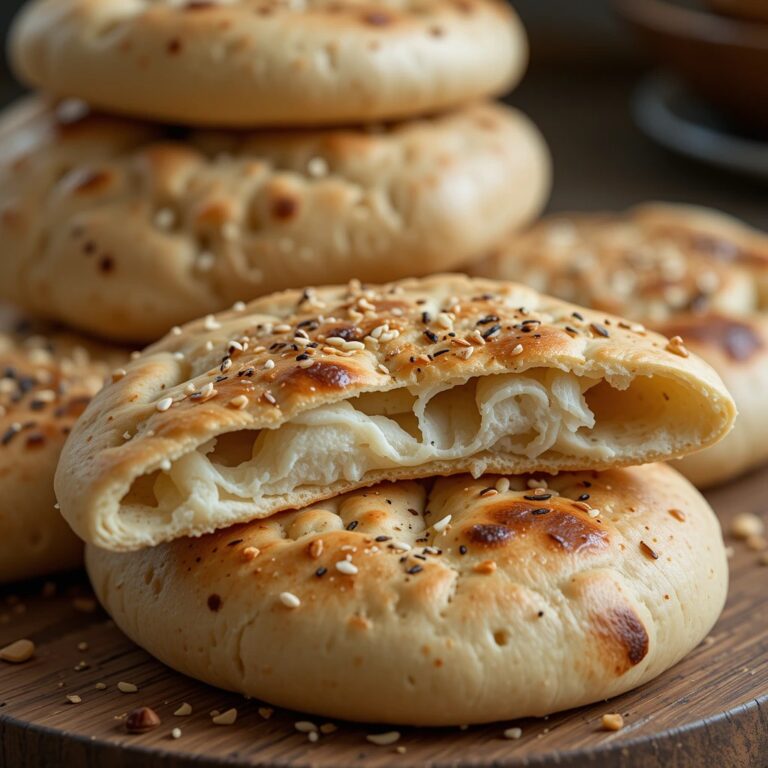
Fluffy Cloud Bread Recipe – Your New Favorite Low-Carb Bread
Picture this: a bread so light and airy, it practically floats off your plate. That’s cloud bread for you! I still remember the first time I pulled a batch from my oven and watched my kids’ eyes light up with wonder. This magical, pillowy creation has become our go-to solution for sandwich cravings without the carb guilt.
With just a handful of ingredients and about 30 minutes, you’ll have the fluffiest, most versatile bread substitute that works beautifully for everything from breakfast toast to dinner sandwiches. If you loved our cauliflower pizza crust, you’re going to absolutely adore this recipe!
This recipe was fully created by AI and has not been tested by our team. Our readers come first, and many members of our site community say other recipes turned out well for them.
What is Cloud Bread?
Ever wondered why this dreamy creation earned such a whimsical name? Well, one bite and you’ll understand instantly. Cloud bread is impossibly light, airy, and delicate – just like biting into an actual cloud (if clouds were edible, of course). This low-carb wonder emerged during the keto craze, though some food historians trace its roots back to the Atkins diet era.
My grandmother always said the way to anyone’s heart is through their stomach, and cloud bread proves she was right. Even my pickiest eater couldn’t resist its soft, soufflé-like texture. Ready to create your own batch of edible clouds? Let’s get baking!
Why You’ll Love This Cloud Bread
A Game-Changing Bread Alternative
The beauty of cloud bread lies in its simplicity and versatility. Unlike traditional bread that can leave you feeling heavy and sluggish, this creation is protein-packed and won’t spike your blood sugar. Each piece delivers that satisfying bread experience without the carbs.
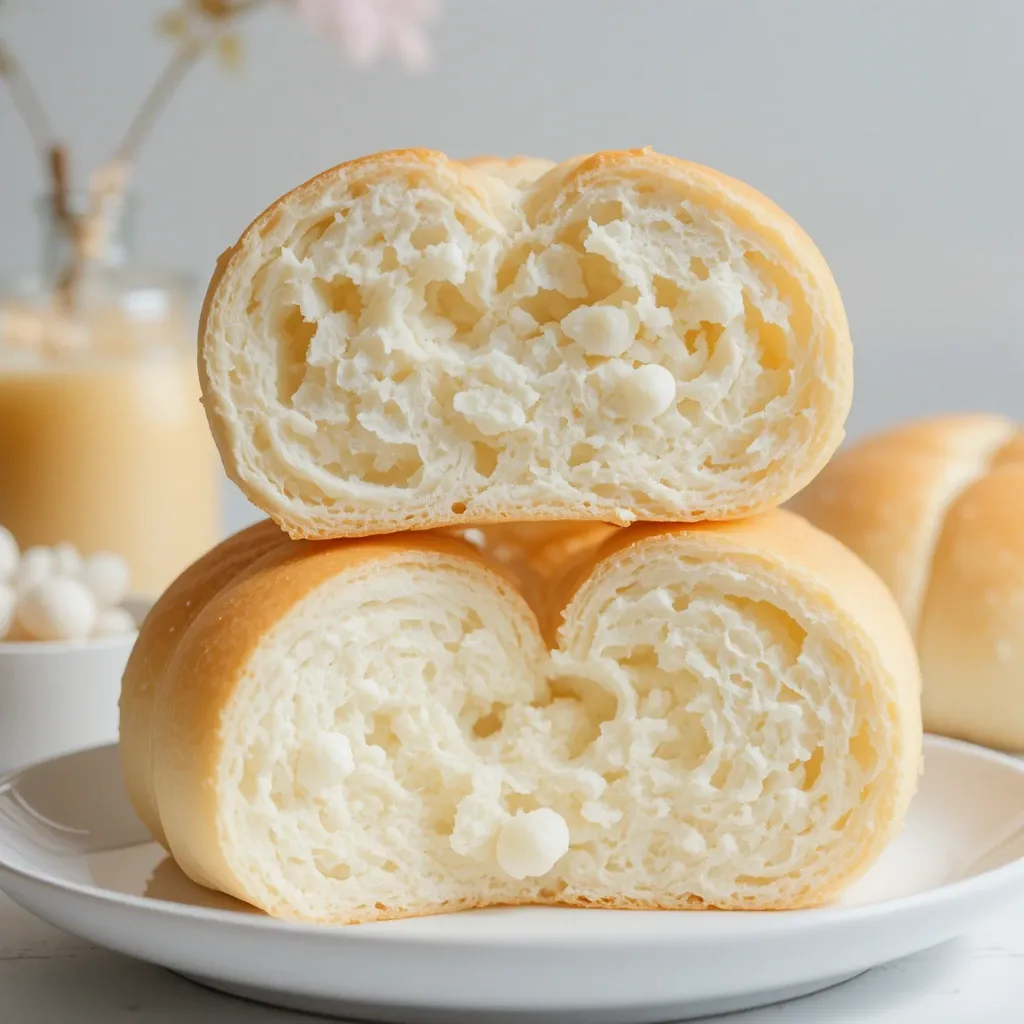
The texture is absolutely divine – crispy on the outside when fresh from the oven, with a tender, almost custard-like interior. After cooling for a few hours, it transforms into something more substantial that holds up perfectly for sandwiches.
Budget-Friendly Baking
Making cloud bread at home costs a fraction of specialty low-carb breads from the store. With just eggs, cream cheese, and cream of tartar (ingredients you likely have on hand), you can whip up a dozen pieces for under three dollars. Compare that to ten dollars or more for store-bought keto bread!
Customizable and Delicious
The neutral flavor profile means endless possibilities. Add herbs and garlic for savory sandwiches, or incorporate vanilla and sweetener for a dessert-like treat. I’ve topped mine with everything from avocado and smoked turkey to sugar-free jam and nut butter.
Speaking of versatile recipes, if you enjoyed our zucchini fritters, you’ll appreciate how cloud bread can be customized to match any meal. The possibilities truly are endless!
How to Make Cloud Bread
Quick Overview
Creating cloud bread is easier than you might think. The secret lies in properly whipping egg whites until they form stiff, glossy peaks that won’t deflate.
The gentle folding technique preserves those precious air bubbles, resulting in that signature fluffy texture. From start to finish, you’ll spend about 10 minutes on prep and 20-25 minutes baking.
Total time: 35 minutes Prep time: 10 minutes Baking time: 20-25 minutes Yield: 10-12 pieces
Key Ingredients for Cloud Bread
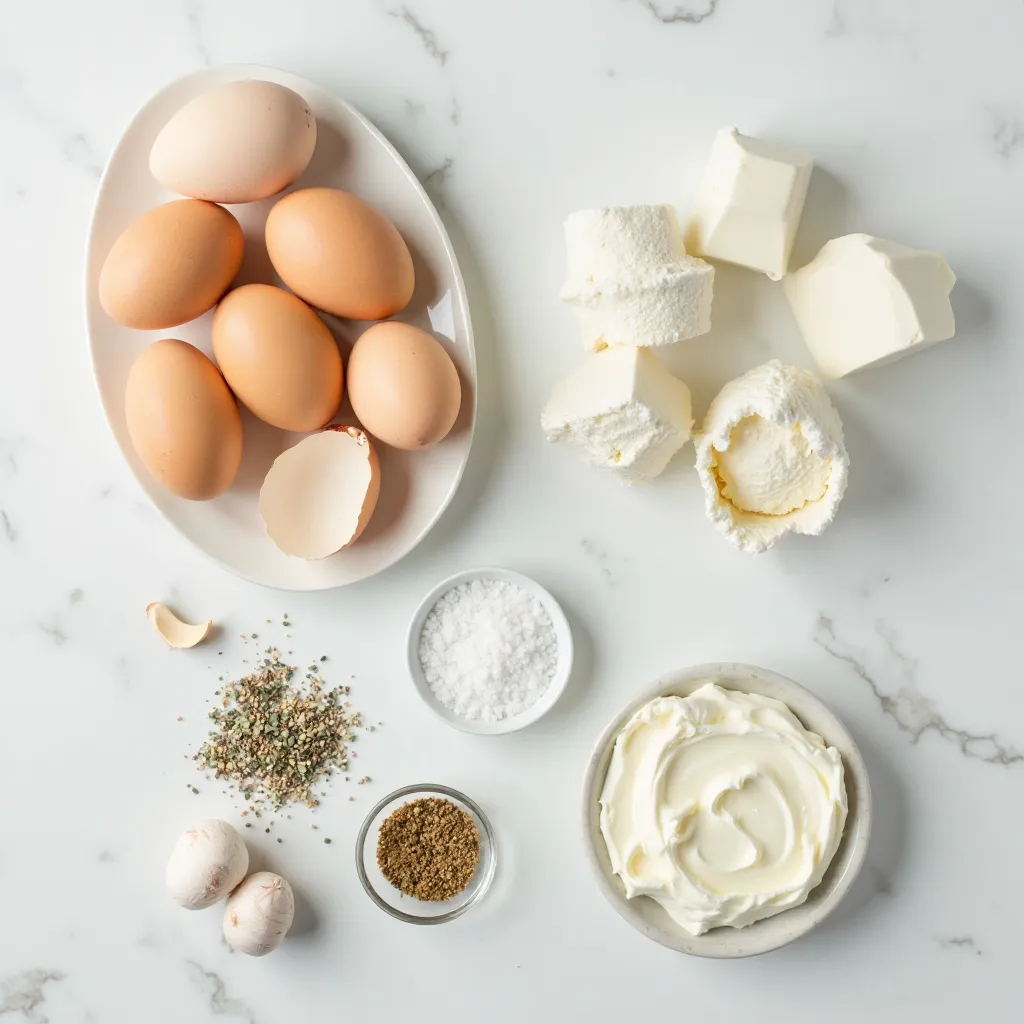
- 3 large eggs, separated (room temperature works best)
- 3 ounces cream cheese, softened to room temperature
- 1/4 teaspoon cream of tartar
- 1/4 teaspoon sea salt
- Optional seasonings: 1/2 teaspoon garlic powder, 1/2 teaspoon dried herbs (Italian seasoning, rosemary, or thyme)
- Optional for sweet version: 2 tablespoons granulated sweetener, 1/2 teaspoon vanilla extract
Step-by-Step Instructions
Step 1: Prepare Your Workspace
Preheat your oven to 300°F (150°C). This lower temperature is crucial for preventing the bread from browning too quickly or collapsing.
Line two large baking sheets with parchment paper. Lightly grease the parchment with cooking spray or a thin layer of oil. This prevents sticking and ensures easy removal.
Step 2: Separate the Eggs Carefully
Crack each egg over a small bowl first. Separate the white from the yolk, being extremely careful not to let any yolk contaminate the whites. Even the tiniest bit of yolk can prevent proper whipping.
Transfer each white to your mixing bowl only after confirming it’s completely yolk-free. Place yolks in a separate bowl and set aside.
Step 3: Whip the Egg Whites
Add cream of tartar to the egg whites. Using a stand mixer or electric hand mixer, beat on high speed for 3-4 minutes.
Watch for the transformation from frothy liquid to billowy clouds. Continue beating until stiff peaks form – when you lift the beater, the peaks should stand straight up without drooping.
This step is non-negotiable for success. Underwhipped whites will result in flat, dense bread instead of fluffy clouds.
Step 4: Prepare the Yolk Mixture
In the bowl with egg yolks, add softened cream cheese and salt (plus any optional seasonings). Beat with a mixer for 1-2 minutes until completely smooth and creamy.
The mixture should be lump-free and well incorporated. Room temperature cream cheese is essential – cold cream cheese won’t blend smoothly.
Step 5: Fold Mixtures Together
Here’s where gentle hands make all the difference. Add about one-third of the whipped egg whites to the yolk mixture. Gently fold using a rubber spatula in a sweeping motion from the bottom of the bowl up and over.
Once partially combined, add the remaining egg whites. Continue folding gently until just combined. You should still see a few white streaks – overmixing will deflate the batter.
Step 6: Shape the Bread
Using a large spoon or ice cream scoop, portion the batter onto prepared baking sheets. Make rounds about 4 inches in diameter, leaving 2 inches between each piece for spreading.
Gently smooth the tops with the back of a spoon if desired, but don’t press down hard.
Step 7: Bake to Perfection
Place baking sheets in the preheated oven. Bake for 20-25 minutes until the tops turn golden brown and feel firm to the touch.
The edges should look slightly crispy, and the centers should no longer jiggle when gently shaken. Avoid opening the oven door during the first 15 minutes to prevent collapse.
Step 8: Cool Properly
Remove from oven and let cool on the baking sheets for 5 minutes. The bread will deflate slightly as it cools – this is completely normal.
Transfer to a wire cooling rack. For best sandwich-making texture, allow to cool completely for at least 2 hours before using.
What to Serve Cloud Bread With
Cloud bread’s neutral flavor makes it the perfect canvas for countless toppings and pairings.
For breakfast, spread with cream cheese and sugar-free jam, top with scrambled eggs and cheese, or create avocado toast with a sprinkle of everything bagel seasoning.
Lunch and dinner options include classic turkey and cheese sandwiches, BLT variations, tuna or chicken salad, or burgers (use two pieces as buns).
The bread pairs beautifully with soups like tomato bisque, creamy chicken soup, or hearty vegetable stew for dipping.
For lighter accompaniments, serve alongside a crisp garden salad, roasted vegetables, or grilled proteins like chicken or fish.
Top Tips for Perfecting Cloud Bread
Achieve Perfect Peaks Every Time
The most critical factor for success is properly whipped egg whites. Beat them until they’re glossy and form stiff peaks that don’t droop. This usually takes 3-5 minutes with an electric mixer.
If your whites won’t whip properly, check that your bowl and beaters are completely clean and grease-free. Even a tiny amount of oil or fat will prevent proper whipping.
Temperature Matters
Always use room temperature eggs and cream cheese. Cold ingredients won’t incorporate as smoothly and can deflate your whipped whites.
Leave eggs and cream cheese on the counter for 30-60 minutes before starting. If you’re short on time, place eggs in warm water for 5 minutes.
Folding Technique is Key
When combining mixtures, use a gentle folding motion rather than stirring. Cut down through the center, sweep along the bottom, and bring the spatula up the side.
Rotate the bowl a quarter turn and repeat. Stop as soon as the mixture is mostly combined – a few white streaks are fine.
Customize Wisely
For savory versions, add dried herbs, garlic powder, onion powder, or grated parmesan cheese to the yolk mixture.
Sweet variations benefit from vanilla extract, cinnamon, or your favorite sugar-free sweetener. Just remember that adding too much liquid can affect the texture.
Avoid Common Pitfalls
Never skip the parchment paper or greasing step – cloud bread sticks easily to ungreased surfaces.
Don’t open the oven door during the first 15 minutes of baking. Sudden temperature changes can cause collapse.
Resist the urge to overbake. Once the tops are golden and firm, remove promptly to prevent drying out.
Storing and Reheating Tips
Short-Term Storage
Allow cloud bread to cool completely before storing. Place pieces in an airtight container with parchment paper between layers to prevent sticking.
Store in the refrigerator for up to 3 days. The texture is best within the first 24 hours, but properly stored bread remains enjoyable for several days.
Keep in mind that cloud bread will lose some of its initial crispness as it sits. This doesn’t affect the taste, just the texture.
Freezing Instructions
For longer storage, freezing works beautifully. Wrap each cooled piece individually in plastic wrap or parchment paper.
Place wrapped pieces in a freezer-safe container or bag, removing as much air as possible. Label with the date and freeze for up to 2 months.
Frozen cloud bread maintains its texture remarkably well compared to many homemade breads.
Reheating Methods
For refrigerated bread, bring to room temperature for best texture. If you prefer it warm, heat in a 300°F oven for 3-5 minutes.
Microwave reheating works in a pinch – heat for 10-15 seconds, but be careful not to overheat as this can make the bread rubbery.
Frozen pieces can be thawed in the refrigerator overnight, then brought to room temperature or gently warmed.
Toasting is possible but requires careful attention. Use the lowest setting on your toaster or toaster oven and watch constantly – cloud bread can burn in seconds.
Tips for Avoiding Common Cloud Bread Mistakes
Mistake: Flat, Dense Bread
This usually happens when egg whites aren’t beaten long enough. Beat until extremely stiff peaks form – they should stand straight up without any drooping.
Another culprit is overmixing when folding ingredients together. Use gentle folding motions and stop as soon as mostly combined.
Mistake: Bread Collapses After Baking
Some deflation is normal and expected. However, excessive collapsing indicates underwhipped whites or opening the oven door too early.
Make sure your oven is fully preheated to 300°F before baking. Lower temperatures help the bread set gradually without dramatic collapse.
Mistake: Eggy Taste Too Strong
While cloud bread naturally has an egg flavor, it shouldn’t taste like plain eggs. Adding seasonings makes a huge difference.
For savory versions, garlic powder and dried herbs mask the egg taste beautifully. For sweet versions, vanilla extract works wonders.
Allowing the bread to cool completely also mellows the egg flavor significantly.
Mistake: Bread Sticks to Pan
Always use parchment paper and grease it lightly. Regular foil or ungreased parchment will cause sticking.
Make sure the bread is fully cooked before attempting to remove it – underdone bread is more likely to stick and tear.
Mistake: Uneven Browning
Rotate your baking sheets halfway through cooking time for even browning. Ovens have hot spots that can cause uneven cooking.
If the tops brown too quickly while the centers remain underdone, lower your oven temperature to 275°F and bake a few minutes longer.
Mistake: Rubbery Texture
This happens when bread is overbaked or reheated too aggressively. Remove from the oven as soon as the tops are golden and firm.
When reheating, use gentle heat and short time intervals to avoid toughening the texture.
Frequently Asked Questions
Why is my cloud bread not fluffy?
The most common reason is insufficiently beaten egg whites. Your whites must reach stiff peaks that stand upright without drooping. Beat for at least 3-4 minutes on high speed. Additionally, check that your bowl and beaters are completely clean and free of any grease or oil. Even a small amount of fat will prevent proper whipping. Finally, be gentle when folding – overmixing deflates the air bubbles you worked so hard to create.
Can I make cloud bread without cream of tartar?
Yes, though cream of tartar helps stabilize the egg whites and makes them easier to beat. If you don’t have it, use 1/2 teaspoon of lemon juice or white vinegar instead. These acidic ingredients serve the same stabilizing purpose. You can also skip it entirely, but you’ll need to beat the whites longer and be extra careful not to overmix when folding.
Is cloud bread actually bread?
Not in the traditional sense. Cloud bread contains no flour, yeast, or typical bread ingredients. It’s more like a savory soufflé or very light frittata. The name comes from its appearance and texture rather than its composition. However, it functions beautifully as a bread substitute for sandwiches, toast, and other bread-like applications, especially for those following low-carb or gluten-free diets.
How many carbs are in cloud bread?
Each piece contains approximately 0.5-1 gram of net carbs, making it extremely low-carb and keto-friendly. Compare this to regular bread at 15-20 grams per slice. The exact amount varies slightly depending on the size of your portions and whether you add any optional ingredients. This makes cloud bread an excellent choice for anyone monitoring their carbohydrate intake.
Can I make cloud bread dairy-free?
Yes, substitute the cream cheese with dairy-free cream cheese alternatives or thick coconut cream. Make sure whatever you use is very thick and creamy – thin substitutes will result in runny batter. Some people successfully use thick cashew cream or almond-based cream cheese. The texture may vary slightly from traditional cloud bread, but it still works well.
Why does my cloud bread taste so eggy?
Cloud bread is primarily made from eggs, so some egg flavor is natural. However, you can minimize this by adding seasonings. For savory versions, garlic powder, herbs, and salt help tremendously. For sweet versions, vanilla extract and sweetener work well. Also, letting the bread cool completely mellows the egg taste significantly. Using very fresh eggs also helps reduce any sulfurous egg flavor.
Can I use egg whites from a carton?
Fresh eggs whip better than carton egg whites, giving superior volume and texture. However, carton whites can work in a pinch. Make sure they’re at room temperature and beat them longer than you would fresh whites. You may need to add an extra 1/4 teaspoon of cream of tartar for stability. Results won’t be quite as fluffy but should still be acceptable.
How do I prevent cloud bread from sticking?
Always line your baking sheets with parchment paper and grease the parchment lightly with cooking spray or oil. Never use foil or ungreased parchment. Also, make sure the bread is fully cooked before attempting to remove it – the centers should be firm and no longer jiggly. Using a thin spatula to gently lift the edges helps release the bread without tearing.
Can cloud bread be made ahead?
Absolutely! Bake the bread up to 3 days in advance and store in the refrigerator, or freeze for up to 2 months. The texture is best within the first day, but properly stored bread remains perfectly usable for several days. Some people actually prefer the slightly denser texture that develops after a day in the fridge, as it holds up better for sandwiches.
What’s the best way to use cloud bread?
Cloud bread works wonderfully as sandwich bread – just use two pieces like regular bread slices. It’s also fantastic toasted (carefully) and topped with butter, cream cheese, avocado, or nut butter. Use it as a base for mini pizzas, cut into strips for dipping in soup, or enjoy plain as a protein-rich snack. The neutral flavor makes it incredibly versatile for both sweet and savory applications.
Nutrition Information
| Nutrient | Per Piece (1/12 recipe) |
|---|---|
| Calories | 45 |
| Total Fat | 3.5g |
| Saturated Fat | 2g |
| Cholesterol | 60mg |
| Sodium | 90mg |
| Total Carbohydrates | 0.5g |
| Dietary Fiber | 0g |
| Net Carbs | 0.5g |
| Protein | 3g |
Nutrition information is calculated automatically and should be used as an approximation. Values may vary based on specific ingredients used.
Cloud bread has truly transformed the way my family approaches low-carb eating. No longer do we feel deprived when bread cravings strike. This simple recipe delivers satisfaction without the guilt, and the versatility means we never get bored.
Whether you’re committed to keto, managing blood sugar, or simply curious about this viral sensation, cloud bread deserves a spot in your recipe rotation. The first time you pull a tray of these golden, puffy clouds from your oven, you’ll understand why this recipe has stood the test of time.
Give this recipe a try, experiment with your favorite seasonings, and discover your new go-to bread alternative. Your taste buds – and your waistline – will thank you!