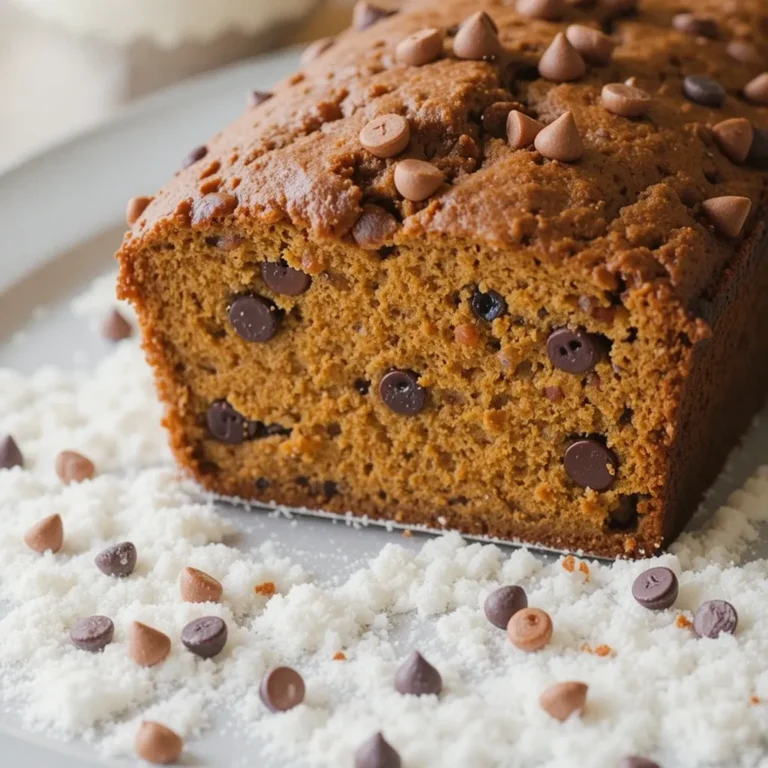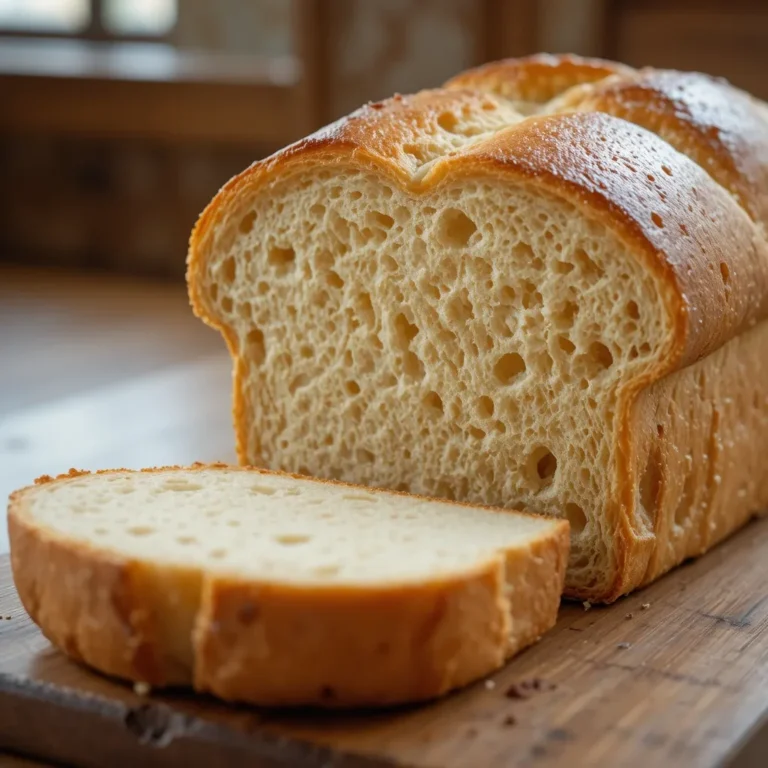
High Protein Vegan Banana Bread – Perfect for Meal Prep
There’s nothing quite like the aroma of freshly baked banana bread wafting through your kitchen on a cozy morning. This high protein vegan banana bread takes that classic comfort to a whole new level, delivering 8 grams of protein per slice without compromising on that tender, melt-in-your-mouth texture we all crave.
Here’s a fun fact: bananas are one of the most purchased fruits worldwide, yet most people don’t know they become sweeter and more flavorful as they ripen, making those spotted bananas perfect for baking! This recipe transforms humble overripe bananas into a nutrient-dense treat that’s perfect for breakfast, post-workout snacks, or guilt-free dessert.
It comes together in just one bowl with minimal effort, making it ideal for busy weekday mornings or lazy weekend baking sessions. If you loved my vegan chocolate chip cookies recipe, you’re going to absolutely adore this protein-packed version of classic banana bread. Trust me, your family will be asking for seconds before the loaf even cools completely!
This recipe was produced fully by AI and has not been prepared by our team. We are committed to supporting home cooks, and many readers have shared positive feedback from other recipes on our site.
What is High Protein Vegan Banana Bread?
Ever wondered how banana bread became the ultimate comfort food? High protein vegan banana bread is essentially traditional banana bread’s healthier, stronger cousin. It combines the beloved moistness of classic banana bread with plant-based protein sources like protein powder, nut butter, and seeds. Why add protein, you ask?
Well, it transforms this sweet treat from a simple carb-heavy snack into a balanced, satisfying option that keeps you fuller longer. You know what they say: “the way to a person’s heart is through their stomach,” and this recipe certainly proves it! The best part?
You won’t even taste the protein additions; you’ll just enjoy incredibly moist, flavorful bread that happens to fuel your body beautifully. Ready to give your overripe bananas the glow-up they deserve? Let’s get baking!
Why You’ll Love This High Protein Vegan Banana Bread
Protein-Packed Perfection: Each slice delivers substantial protein from a combination of plant-based protein powder, almond butter, and flax eggs, making it the perfect post-workout snack or energizing breakfast. You’ll feel satisfied for hours, unlike regular banana bread that leaves you reaching for more within thirty minutes.
Budget-Friendly Baking: Making this at home costs a fraction of what you’d spend at trendy health food cafes where a single slice can run you $6 or more. You’re probably already sitting on overripe bananas that need rescuing, and the remaining ingredients are pantry staples. One loaf yields 12 generous slices, bringing your per-serving cost to under $1.
Customizable & Flavorful: The beauty of this recipe lies in its versatility. Fold in dark chocolate chips for decadent sweetness, add walnuts for satisfying crunch, or swirl in almond butter for extra richness. Warm spices like cinnamon and vanilla create an irresistible aroma that fills your entire home. If you enjoyed my vegan pumpkin bread recipe, you’ll appreciate how easily this banana bread adapts to your preferences.
The naturally sweet bananas mean you need minimal added sweetener, letting wholesome ingredients shine through. Go ahead and experiment with your favorite mix-ins; this forgiving recipe welcomes creativity! Whether you’re meal-prepping breakfasts for the week or looking for a healthier dessert option, this protein-packed banana bread deserves a permanent spot in your baking rotation.
How to Make High Protein Vegan Banana Bread
Quick Overview
This high protein vegan banana bread is remarkably simple to prepare, requiring just one bowl and basic mixing. The recipe delivers incredibly moist, tender bread with a subtle nutty flavor from the protein additions. You’ll love how the bananas create natural sweetness while the protein powder adds structure without any chalky aftertaste. The preparation couldn’t be easier—no stand mixer required, just a bowl, fork, and whisk.
Time Breakdown:
- Prep Time: 15 minutes
- Bake Time: 50-60 minutes
- Cooling Time: 20 minutes
- Total Time: 1 hour 25 minutes
- Yield: 12 slices
Key Ingredients for High Protein Vegan Banana Bread
Wet Ingredients:
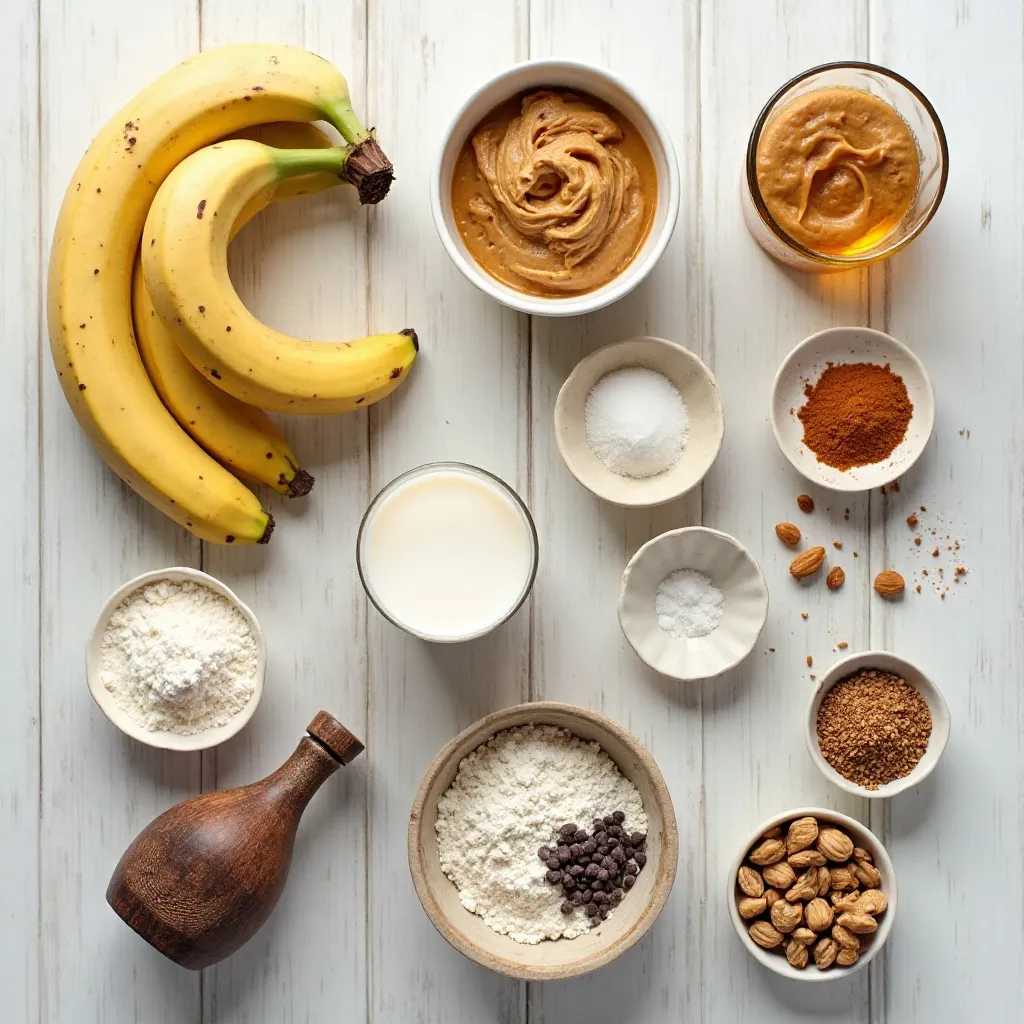
- 3 large overripe bananas (about 1½ cups mashed)
- ⅓ cup almond butter (or any nut/seed butter)
- ¼ cup maple syrup or agave nectar
- ¼ cup unsweetened almond milk
- 1 flax eggs (1 tablespoons ground flaxseed + 3 tablespoons water)
- 1 teaspoon vanilla extract
- 2 tablespoons melted coconut oil
Dry Ingredients:
- 1½ cups whole wheat flour (or all-purpose flour)
- ½ cup vanilla vegan protein powder (unflavored works too)
- 1 teaspoon baking soda
- ½ teaspoon baking powder
- 1 teaspoon ground cinnamon
- ¼ teaspoon ground nutmeg
- ¼ teaspoon sea salt
Optional Mix-ins:
- ½ cup dark chocolate chips
- ½ cup chopped walnuts or pecans
- ¼ cup hemp seeds
- 2 tablespoons chia seeds
Step-by-Step Instructions
How do I prepare the flax eggs?
Start by making your flax eggs since they need time to gel. In a small bowl, combine 2 tablespoons of ground flaxseed with 6 tablespoons of water. Stir well and set aside for 5-10 minutes until the mixture becomes thick and gel-like. This creates the binding power of traditional eggs in vegan baking.
How should I prepare my baking pan?
Preheat your oven to 350°F (175°C). Grease a 9×5-inch loaf pan thoroughly with coconut oil or non-stick spray, then line it with parchment paper, leaving some overhang on the sides. This overhang acts as handles for easy removal later. Don’t skip the greasing step even with parchment paper; it ensures nothing sticks.
What’s the best way to mash the bananas?
Peel your overripe bananas and place them in a large mixing bowl. Use a fork to mash them thoroughly until mostly smooth with just a few small lumps remaining. Those tiny chunks add delightful texture to the finished bread. The riper your bananas, the sweeter and more flavorful your bread will be. Look for bananas with lots of brown spots.
How do I mix the wet ingredients?
To your mashed bananas, add the prepared flax eggs, almond butter, maple syrup, almond milk, vanilla extract, and melted coconut oil. Whisk everything together vigorously until well combined and smooth. The mixture should look creamy and uniform. If your almond butter is thick, this is when you’ll want to make sure it’s fully incorporated without lumps.
What’s the proper way to combine dry ingredients?
In a separate medium bowl, whisk together the whole wheat flour, vegan protein powder, baking soda, baking powder, cinnamon, nutmeg, and salt. Whisking dry ingredients separately ensures even distribution of leavening agents, preventing pockets of baking soda or powder in your finished bread.
How do I avoid overmixing the batter?
Pour the dry ingredients into the wet ingredients. Using a rubber spatula or wooden spoon, gently fold the mixture together using broad, sweeping motions. Stop mixing as soon as you no longer see dry flour streaks. The batter should look thick and slightly lumpy. Overmixing develops gluten and creates tough, dense bread, so resist the urge to stir until perfectly smooth.
When should I add mix-ins?
If you’re using chocolate chips, nuts, or seeds, now’s the time to fold them in gently. Reserve a small handful to sprinkle on top of the batter for a beautiful presentation. Use the same gentle folding motion to distribute mix-ins evenly throughout the batter without deflating it.
What’s the ideal baking technique?
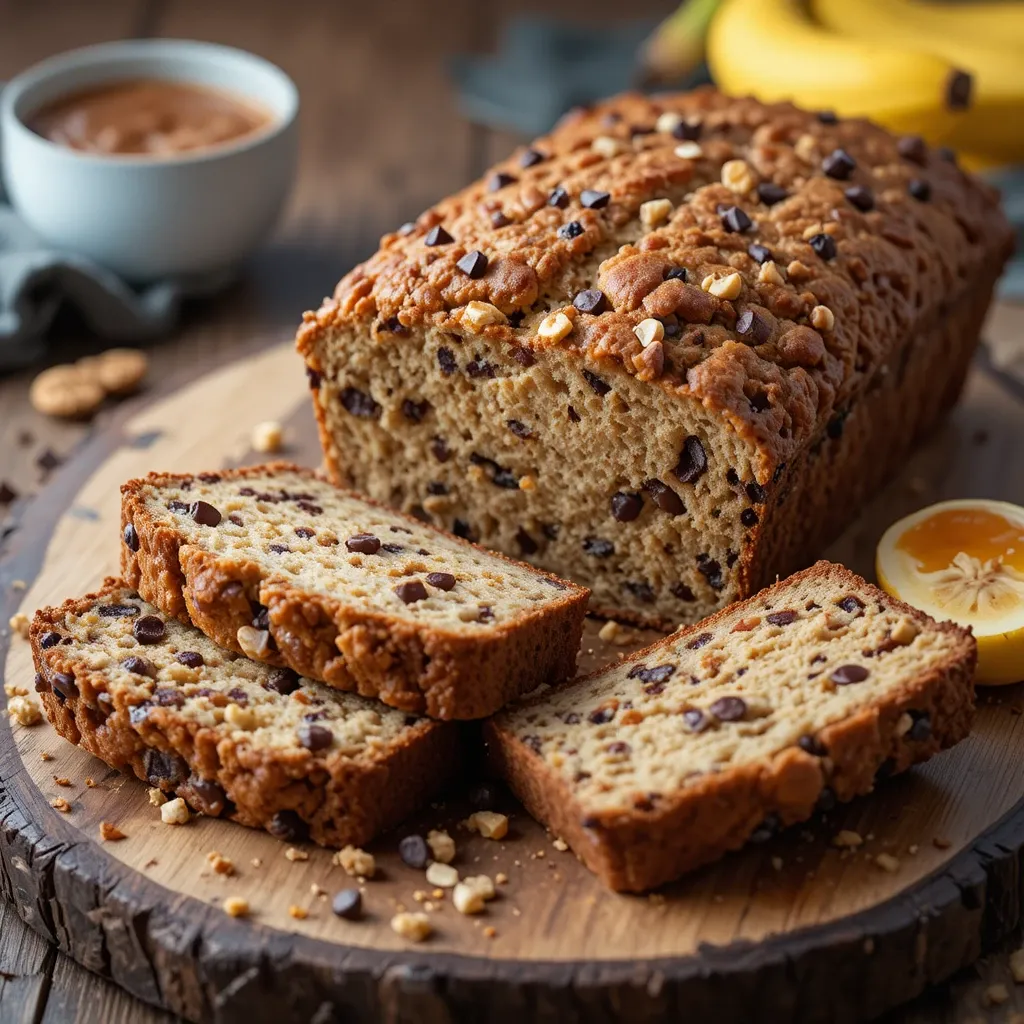
Pour the batter into your prepared loaf pan and smooth the top with a spatula. Sprinkle your reserved mix-ins on top if using. Place the pan in the center of your preheated oven and bake for 50-60 minutes. The bread is done when a toothpick inserted into the center comes out with just a few moist crumbs attached, not wet batter.
How do I know when it’s perfectly baked?
Start checking at the 50-minute mark. The top should be golden brown and spring back lightly when touched. If the top is browning too quickly but the center isn’t done, tent the loaf loosely with aluminum foil for the remaining baking time. Every oven runs differently, so use the toothpick test as your primary indicator.
What’s the cooling process?
Remove the bread from the oven and let it cool in the pan for 15 minutes. This resting period allows the structure to set, preventing crumbling when you slice it. After 15 minutes, use the parchment paper overhang to lift the loaf onto a wire cooling rack. Let it cool completely before slicing for the cleanest cuts.
What to Serve High Protein Vegan Banana Bread With
This versatile bread pairs beautifully with so many options throughout the day. For breakfast, serve warm slices with a generous spread of almond butter or cashew butter, topped with fresh banana slices and a drizzle of maple syrup. The extra protein makes it substantial enough to fuel your morning when paired with a hot cup of coffee or matcha latte.
As an afternoon snack, enjoy it alongside a creamy smoothie or protein shake for a complete post-workout meal. The combination provides both quick and sustained energy. For a dessert-style treat, warm a slice and top it with coconut whipped cream and a sprinkle of cinnamon.
Consider serving it with fresh berries like strawberries or blueberries for added antioxidants and color contrast. A smear of coconut yogurt adds tanginess that complements the sweet banana flavor perfectly. For special occasions, toast slices lightly and serve with vegan vanilla ice cream for a decadent banana bread sundae.
I also love pairing it with herbal teas like chamomile or peppermint in the evening. The bread is substantial enough to stand alone but also works wonderfully as part of a brunch spread alongside tofu scramble and roasted vegetables.
Top Tips for Perfecting High Protein Vegan Banana Bread
Use truly overripe bananas
The single most important factor in amazing banana bread is banana ripeness. Wait until your bananas are heavily spotted with brown or even completely brown. These bananas are sweeter, more aromatic, and mash more easily. If your bananas aren’t ripe enough, place them in a paper bag with an apple overnight or roast them in their peels at 300°F for 15 minutes.
Choose your protein powder wisely
Not all protein powders perform equally in baking. Vanilla or unflavored plant-based proteins work best. Avoid heavily flavored options like chocolate or strawberry unless you want that specific taste. Pea protein and brown rice protein blends create the best texture. If your protein powder is very fine, you may need to reduce flour by 2 tablespoons.
Don’t skip the flax eggs
Flax eggs provide crucial binding and moisture in vegan baking. Make sure your flaxseed is ground, not whole, and give it the full 10 minutes to gel properly. The mixture should be thick and viscous before adding to your batter. Store ground flaxseed in the freezer to prevent it from going rancid.
Room temperature ingredients matter
Bring your nut butter and any refrigerated ingredients to room temperature before mixing. Cold ingredients don’t incorporate as smoothly and can create a lumpy batter. If you forgot to take ingredients out early, microwave your nut butter for 10-15 seconds and your almond milk for 20 seconds.
Measure flour correctly
Spoon flour into your measuring cup and level it off with a knife rather than scooping directly from the bag. Scooping compacts the flour, resulting in too much flour and dry, dense bread. For the most accurate results, use a kitchen scale and measure 180 grams of flour.
Test doneness properly
Insert your toothpick into the center of the loaf, not near the edges which cook faster. You want a few moist crumbs clinging to the toothpick, not wet batter, but also not completely clean. The bread continues cooking from residual heat after removing from the oven, so slightly underdone is better than overbaked.
Allow proper cooling time
I know it’s tempting to slice immediately, but patience pays off here. Banana bread continues to set as it cools, and cutting too early results in a gummy texture and crumbling slices. Wait at least 20 minutes, though an hour is even better for the perfect slice.
Adjust sweetness to preference
The natural banana sweetness means you can easily reduce added sugar. Start with ¼ cup maple syrup and taste the batter (it’s egg-free, so it’s safe!). Add more sweetener if needed. Remember that bananas lose some perceived sweetness during baking.
Storing and Reheating Tips
Store your completely cooled banana bread wrapped tightly in plastic wrap or in an airtight container at room temperature for up to 4 days. The bread actually tastes even better on day two after the flavors have melded together. Make sure it’s completely cool before wrapping to prevent condensation and sogginess.
For longer storage, refrigerate the wrapped bread for up to one week. The cold temperature can dry it out slightly, but a quick warm-up in the microwave (15-20 seconds per slice) restores moisture beautifully.
To freeze, wrap the entire loaf or individual slices tightly in plastic wrap, then again in aluminum foil or place in a freezer bag. Remove as much air as possible. Properly wrapped banana bread freezes beautifully for up to 3 months. Thaw overnight in the refrigerator or at room temperature for a few hours.
For reheating, I love toasting slices in a toaster oven for 3-4 minutes until the edges are slightly crispy but the inside stays moist. Microwave individual slices for 15-20 seconds for a fresh-from-the-oven experience. If reheating a whole frozen loaf, let it thaw completely, then wrap in foil and warm in a 300°F oven for 15-20 minutes.
Tips for Avoiding Common Baking Mistakes
Mistake: Dense, heavy bread This usually results from overmixing your batter. Mix only until the flour disappears into the wet ingredients. Those few small lumps are perfectly fine and will bake out. Overmixed batter develops too much gluten, creating a tough texture.
Mistake: Bread sinks in the middle Opening the oven door too early causes temperature fluctuations that collapse the structure. Don’t peek until at least 45 minutes into baking. Also, make sure your baking soda and baking powder are fresh; expired leavening agents won’t provide proper lift.
Mistake: Dry, crumbly texture Overbaking is the main culprit. Remove your bread when the toothpick has a few moist crumbs, not when it’s completely clean. Also ensure you’re measuring flour correctly by spooning and leveling rather than scooping. Too much flour creates dryness.
Mistake: Burnt top but raw center Your oven temperature may be running too hot. Invest in an oven thermometer to verify accuracy. If your top browns before the center cooks, tent loosely with foil during the last 20 minutes of baking.
Mistake: Bread sticks to the pan Always grease your pan thoroughly even when using parchment paper. Let the bread cool for the full 15 minutes before attempting to remove it. Trying to remove too early causes sticking and breakage.
Mistake: Uneven baking Position your oven rack in the center position for even heat distribution. Avoid placing the pan too close to the top or bottom heating elements. Also, make sure your batter is spread evenly in the pan before baking.
Mistake: Protein powder clumps Sift your protein powder with the dry ingredients if it’s clumpy. Some protein powders absorb more liquid than others, so if your batter seems too thick, add an extra tablespoon of almond milk to achieve a thick but pourable consistency.
Mistake: Bland flavor Taste your batter before baking (it’s safe since it’s vegan!). Adjust sweetness with more maple syrup or enhance warmth with extra cinnamon. Make absolutely sure you’re using overripe bananas; under-ripe ones create bland, flat-tasting bread.
Frequently Asked Questions
Can I use a different type of flour?
Absolutely! All-purpose flour works perfectly and creates a lighter texture. Oat flour makes it gluten-free, though you may need to add 2 tablespoons more liquid. Spelt flour is another excellent whole grain option. Avoid coconut flour as it absorbs liquid differently and requires recipe modifications.
What if I don’t have protein powder?
You can substitute protein powder with additional flour (use ½ cup flour total instead), though you’ll lose the protein boost. Alternatively, add ¼ cup of ground almonds or almond flour plus 2 tablespoons of hemp seeds to maintain some protein content while keeping great texture.
Can I make this oil-free?
Yes! Replace the coconut oil with an equal amount of unsweetened applesauce or mashed banana. The bread will be slightly denser but still delicious. You might want to add an extra minute or two to the baking time.
How do I make this nut-free?
Swap almond butter for sunflower seed butter or tahini. Use oat milk or soy milk instead of almond milk. Omit any nut toppings or replace with pumpkin seeds. The flavor will be slightly different but equally delicious.
Why is my bread gummy in the middle?
This indicates underbaking. Even if the toothpick seems clean, the center might need more time. Bake an additional 5-10 minutes. Gumminess can also occur from slicing before the bread has fully cooled and set.
Can I reduce the sugar further?
Definitely! The bananas provide natural sweetness, so you can reduce maple syrup to 2-3 tablespoons or omit entirely if your bananas are very ripe. You can also use mashed dates (about 4-5 Medjool dates) blended with the wet ingredients as a whole food sweetener.
How can I make this higher in protein?
Add 2 tablespoons of hemp seeds and 2 tablespoons of chia seeds to the batter. Increase protein powder to ⅔ cup and reduce flour accordingly. Top with chopped nuts for even more protein. Each modification adds 2-3 grams of protein per slice.
Can I make muffins instead of a loaf?
Yes! Pour batter into lined muffin tins, filling each ¾ full. Bake at 350°F for 22-28 minutes. This recipe makes about 12 muffins. Muffins are perfect for portion control and freeze individually for grab-and-go breakfasts.
What’s the best vegan protein powder for baking?
Look for neutral-flavored plant-based protein with minimal ingredients. Orgain, Vega Sport, and Nuzest are excellent options. Avoid proteins with stevia or artificial sweeteners as they can create bitter flavors when heated. Pea and rice protein blends work best for texture.
Can I double this recipe?
Absolutely! Double all ingredients and divide between two loaf pans. Baking time remains the same. You can also make one loaf and one batch of muffins if you prefer variety. The recipe scales beautifully without adjustments.
Nutrition Information
| Nutrient | Per Slice (1/12 of loaf) |
|---|---|
| Calories | 195 |
| Protein | 8g |
| Carbohydrates | 28g |
| Fiber | 4g |
| Sugar | 10g |
| Fat | 6g |
| Saturated Fat | 2g |
| Sodium | 180mg |
| Potassium | 285mg |
Nutritional values are approximate and based on using whole wheat flour, vanilla protein powder, and no optional mix-ins.
Final Thoughts
This high protein vegan banana bread has become my go-to recipe for using up overripe bananas while sneaking extra nutrition into my family’s diet. The beauty of this recipe lies in its simplicity and versatility. Whether you’re vegan, looking to increase protein intake, or just wanting a healthier version of classic banana bread, this recipe delivers on all fronts.
I make a loaf every Sunday for the week ahead, slicing and storing individual portions for quick breakfasts. My non-vegan friends can’t even tell it’s plant-based, which always makes me smile. The protein addition keeps me satisfied until lunch, unlike traditional banana bread that leaves me hungry an hour later.
Don’t be afraid to experiment with this recipe. Try different nut butters, swap spices, or add your favorite mix-ins. The forgiving nature of banana bread means you can make it your own while still achieving delicious results every time.
I’d love to hear how your high protein vegan banana bread turns out! Share your creations and any modifications you tried. Happy baking!