The Ultimate Lemon PoppySeed Muffins Recipe
These lemon poppyseed muffins strike the perfect balance between bright citrus punch and tender, bakery-style crumb. What sets them apart is the double lemon technique—zest in the batter and a tangy glaze that soaks into the tops—creating layers of flavor that intensify rather than fade. They’re substantial enough for breakfast yet refined enough for afternoon tea with friends.
This recipe was created entirely by AI and has not been tested in our kitchen. We love supporting our readers, and many who have tried other recipes from our site report good results.
Why You’ll Love This LemonPoppy Seed Muffins Recipe
These Lemon Poppy Seed Muffins deliver an intensely sunny lemon flavor that actually tastes like fresh lemons, not artificial extract. The secret lies in using both zest and juice, plus a technique I learned from a French pastry chef: letting the zest macerate in the sugar before mixing. This releases the citrus oils and creates a more pronounced, natural lemon essence throughout every bite.
The texture is what I call “tender-sturdy”—moist and soft inside with a delicate crumb that holds together beautifully, topped with a slightly crisp sugared dome. Unlike dense, heavy muffins or ones that crumble into dust, these maintain their structure while practically melting on your tongue. The poppy seeds add a subtle nutty flavor and delightful textural contrast, creating tiny pockets of gentle crunch against the soft crumb.
They come together in one bowl with no mixer required, making them genuinely accessible for early morning baking when you’re half-asleep. The batter is forgiving—nearly impossible to overmix thanks to the sour cream, which also contributes to their incredible shelf life. These stay fresh and springy for three full days at room temperature, a rarity among homemade muffins.
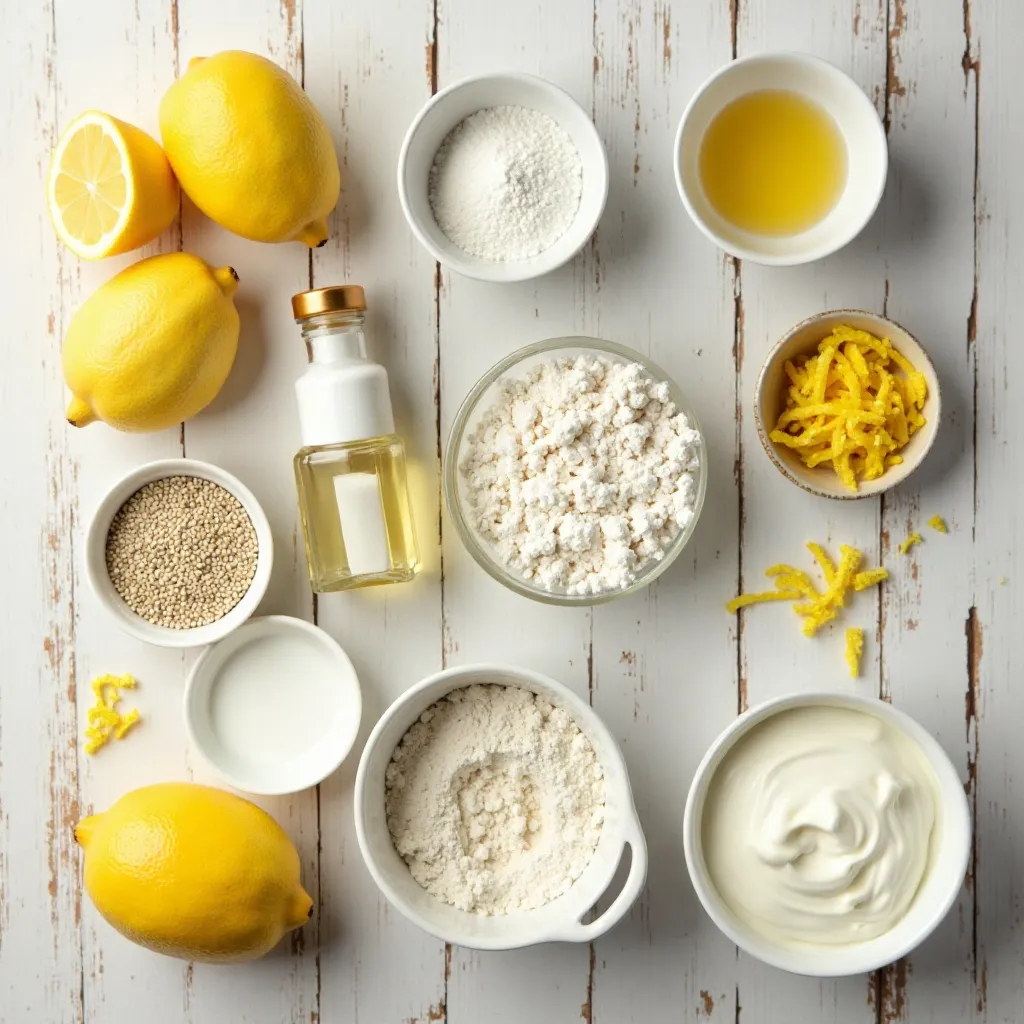
Essential Ingredients for Perfect Lemon Poppy Seed Muffins
Each ingredient plays a specific structural or flavor role in creating these muffins’ signature taste and texture. The combination of sour cream and oil keeps them exceptionally moist while maintaining a light, airy crumb.
Main Ingredients:
- All-purpose flour – 2 cups (250g) – Provides structure without making muffins tough; the protein content is ideal for tender baked goods
- Granulated sugar – 1 cup (200g) – Sweetens and helps create the golden crust; part of it macerates with lemon zest
- Poppy seeds – 2 tablespoons – Adds nutty flavor and visual appeal; use fresh seeds for best taste
- Baking powder – 2 teaspoons – Primary leavening agent that creates the signature dome top
- Baking soda – ½ teaspoon – Reacts with sour cream’s acidity for extra lift and tender crumb
- Salt – ½ teaspoon – Balances sweetness and amplifies lemon flavor
- Fresh lemon zest – From 3 large lemons – The star flavor; avoid pre-zested products that lack aromatic oils
- Fresh lemon juice – ⅓ cup – Provides bright acidity and authentic citrus taste
- Full-fat sour cream – ¾ cup (180g) – Creates moisture and tenderness; the acidity also enhances lemon flavor
- Vegetable or canola oil – ½ cup – Keeps muffins moist for days; doesn’t solidify like butter when refrigerated
- Large eggs – 2 – Binds ingredients and adds richness
- Vanilla extract – 1 teaspoon – Rounds out flavors without competing with lemon
For the Lemon Glaze:
- Powdered sugar – 1 cup – Creates smooth, pourable glaze
- Fresh lemon juice – 2-3 tablespoons – Thins sugar and adds extra citrus punch
Possible Substitutions:
- Instead of sour cream, use full-fat Greek yogurt (adds tang and protein)
- Instead of vegetable oil, use melted coconut oil (adds subtle tropical note)
- Instead of granulated sugar, use coconut sugar for 75% of the amount (creates caramel undertones)
- For gluten-free: Use 1:1 gluten-free baking flour plus ¼ teaspoon xanthan gum
Kitchen Tools and Equipment You’ll Need
Having the right tools makes this recipe flow smoothly and ensures consistent results every time you bake these muffins.
Essential Tools:
- Standard 12-cup muffin tin
- Paper muffin liners or non-stick spray
- Two large mixing bowls (one for dry, one for wet ingredients)
- Microplane or fine grater (for zesting lemons)
- Whisk and rubber spatula
- Ice cream scoop or ⅓ cup measure (for portioning batter evenly)
- Cooling rack
Optional but Helpful:
- Stand mixer with paddle attachment (though hand-mixing works perfectly)
- Small saucepan (for warming glaze if it’s too thick)
- Pastry brush (for applying glaze evenly)
Alternatives: Don’t have a microplane? A box grater’s finest side works, though you’ll need to chop the zest finer. No ice cream scoop? A ⅓ cup measuring cup ensures equally-sized muffins that bake uniformly.
Step-by-Step Instructions for Lemon Poppy Seed Muffins
Step 1: Prepare and Macerate (10 minutes) Preheat your oven to 375°F (190°C). Line your muffin tin with paper liners. In a small bowl, combine the granulated sugar with the lemon zest, rubbing them together with your fingertips for 1-2 minutes. This releases the essential oils from the zest into the sugar, creating an aromatic, citrus-infused base. You’ll notice the sugar becoming slightly yellow and fragrant—this step is crucial for maximum lemon flavor.
Step 2: Mix Dry Ingredients (2 minutes) In a large bowl, whisk together the flour, baking powder, baking soda, salt, and poppy seeds. Create a well in the center. This ensures even distribution of leavening agents, preventing some muffins from rising more than others.
Step 3: Combine Wet Ingredients (3 minutes) In your second bowl, whisk together the lemon-sugar mixture, sour cream, oil, eggs, lemon juice, and vanilla extract until completely smooth. The mixture should be pale yellow and slightly thick, with no sugar granules remaining. The acid from the lemon juice will react slightly with the sour cream, creating an even tangier base.
Step 4: Gentle Incorporation (2 minutes) Pour the wet ingredients into the well of the dry ingredients. Using a rubber spatula, fold together with broad strokes, scraping from the bottom and sides. Stop mixing the moment you no longer see flour streaks—about 15-20 strokes total. The batter will be thick and slightly lumpy, which is exactly what you want. Overmixing develops gluten and creates tough, tunneled muffins.
Step 5: Fill and Bake (20-22 minutes) Using an ice cream scoop or ⅓ cup measure, divide the batter evenly among the 12 muffin cups, filling each about ¾ full. Bake for 20-22 minutes, rotating the pan halfway through for even browning. Muffins are done when the tops spring back when lightly pressed and a toothpick inserted in the center comes out with just a few moist crumbs. The tops should be golden with slight cracks—a sign of proper rise.
Step 6: Cool and Glaze (15 minutes) Let muffins cool in the pan for 5 minutes, then transfer to a wire rack. While still warm (but not hot), prepare the glaze by whisking powdered sugar with lemon juice until smooth and pourable. Spoon or brush glaze over each muffin top, allowing it to soak into the cracks. The residual warmth helps the glaze penetrate, creating pockets of sweet-tart intensity. Let glaze set for 10 minutes before serving.

Pro Tips for the Best Results
💡 The Zest Maceration Technique – Don’t skip rubbing the zest into the sugar. This step extracts the flavorful oils from the lemon peel, distributing them throughout the muffins rather than leaving them concentrated in zest pieces. The difference in flavor intensity is remarkable.
💡 Room Temperature Matters – Use eggs and sour cream at room temperature. Cold ingredients don’t emulsify properly with oil, creating a separated batter that produces dense, uneven muffins. Set them out 30 minutes before baking, or quick-warm eggs in a bowl of warm water for 5 minutes.
💡 The Fold, Don’t Stir Rule – Use a folding motion rather than stirring circles when combining wet and dry ingredients. Folding minimizes gluten development, keeping muffins tender. Think of it as gently tumbling the ingredients together rather than beating them into submission.
💡 Fill Consistently for Even Baking – Uneven batter distribution means some muffins overbake while others underbake. An ice cream scoop ensures uniform sizing, which means uniform baking. If you have leftover batter, make a few mini muffins rather than overfilling cups.
💡 The Toothpick Test Nuance – For muffins, you want a few moist crumbs on the toothpick, not a completely clean pick. Completely clean means they’re already starting to dry out. Those few crumbs indicate perfect moisture that will set as they cool.
💡 Glaze While Warm, Not Hot – If muffins are too hot, the glaze melts and runs off completely. If too cool, it sits on top without soaking in. Wait until you can comfortably touch the muffin tops—about 5 minutes after removing from the pan—then glaze immediately.
Common Mistakes to Avoid:
- Using bottled lemon juice instead of fresh (creates artificial, flat flavor)
- Overmixing the batter (develops gluten, making muffins tough and riddled with tunnels)
- Opening the oven door in the first 15 minutes (causes muffins to collapse from temperature drop)
- Storing muffins while still warm (creates condensation that makes them soggy)
Variations and Customizations
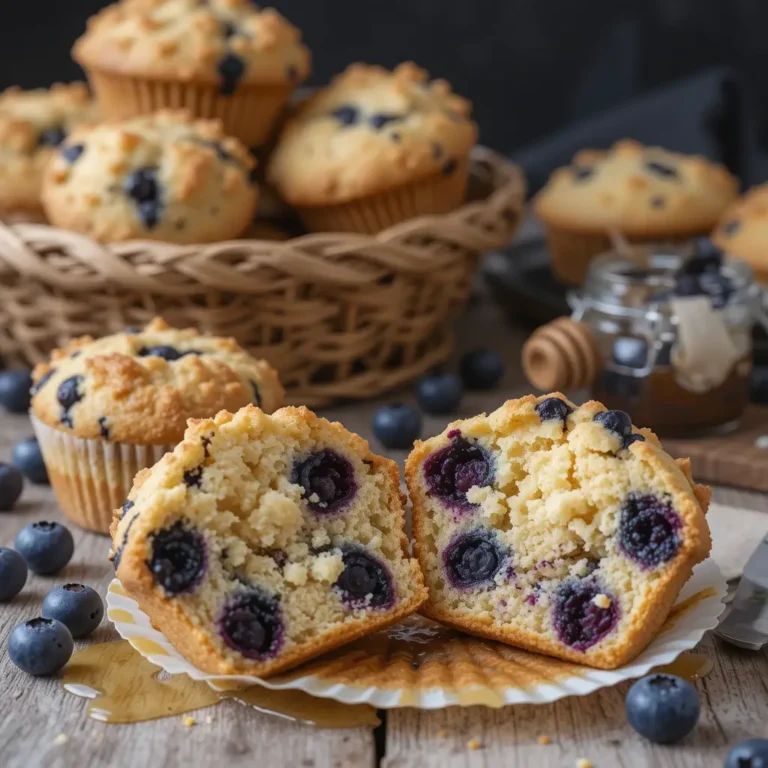
Blueberry Lemon Poppy Seed: Fold 1 cup of fresh or frozen blueberries (tossed in 1 tablespoon flour) into the finished batter. The berries add juicy bursts that complement the lemon beautifully. Frozen berries work especially well as they don’t bleed into the batter as much.
Meyer Lemon Version: Substitute Meyer lemons for regular lemons. These sweeter, more floral lemons create a gentler, more perfumed muffin. You may want to reduce sugar by 2 tablespoons to account for their natural sweetness.
Almond Poppy Seed: Replace half the vanilla extract with almond extract and add ¼ cup of finely chopped almonds to the batter. This creates a more complex, nutty profile that pairs wonderfully with morning coffee.
Lemon Lavender Poppy Seed: Add 1 tablespoon of culinary lavender buds to the sugar-zest mixture during maceration. Strain out the buds before mixing into wet ingredients. The lavender adds an elegant, aromatic dimension perfect for special brunches.
Dietary Adaptations:
- Vegan: Replace eggs with 2 flax eggs (2 tablespoons ground flaxseed + 6 tablespoons water, let sit 5 minutes), use dairy-free sour cream or coconut cream, and ensure poppy seeds are certified vegan
- Gluten-Free: Use certified gluten-free 1:1 baking flour blend plus ¼ teaspoon xanthan gum; let batter rest 5 minutes before portioning
- Lower-Sugar: Reduce sugar to ¾ cup and use a sugar-free glaze made with powdered erythritol; muffins will be less sweet but still delicious
Serving Suggestions and Pairings
These muffins shine at breakfast alongside scrambled eggs and fresh fruit, offering a bright contrast to savory morning dishes. They’re equally at home at afternoon tea, paired with clotted cream or mascarpone for spreading—the richness balances the citrus acidity beautifully.
For beverages, serve with English breakfast tea, which stands up to the bold lemon flavor, or pair with a light roast coffee that won’t compete with the citrus notes. Chamomile tea creates a lovely, calming combination perfect for lazy weekend mornings.
Present them on a tiered stand for brunches, or wrap individually in parchment paper tied with twine for gift-giving or grab-and-go breakfasts. A light dusting of powdered sugar just before serving adds visual elegance for special occasions.
Storage and Reheating Guidelines
Store unfrosted muffins in an airtight container at room temperature for up to 3 days. The oil in the recipe keeps them remarkably moist even without refrigeration. If glazed, store the same way—the glaze forms a protective seal that actually helps preserve freshness.
For longer storage, freeze muffins for up to 3 months. Wrap each muffin individually in plastic wrap, then place all wrapped muffins in a freezer bag. This prevents freezer burn and allows you to defrost only what you need. Thaw overnight in the refrigerator or at room temperature for 2-3 hours.
To refresh day-old muffins, warm in a 300°F oven for 5-7 minutes or microwave for 15-20 seconds. This restores their just-baked texture and reactivates the lemon oils, making them taste fresh again. Avoid reheating glazed muffins in the microwave as the glaze can become gummy; oven warming works better.
Refrigeration is unnecessary and actually accelerates staling—the cold temperature crystallizes the starches faster than room temperature storage.
Nutritional Highlights and Dietary Information
These muffins provide sustained energy from complex carbohydrates and healthy fats, making them a satisfying breakfast option that won’t cause blood sugar spikes. The sour cream contributes protein and calcium, while eggs add essential amino acids and vitamin D.
Lemons are rich in vitamin C, providing immune support and acting as antioxidants. Poppy seeds, though small, contain minerals like calcium, iron, and magnesium, plus healthy omega-6 fatty acids. The combination creates a nutritionally balanced treat that’s more than just empty calories.
| Nutritional Information | Per Serving |
|---|---|
| Calories | 285 |
| Protein | 4g |
| Carbohydrates | 38g |
| Dietary Fiber | 1g |
| Sugars | 22g |
| Fat | 13g |
| Saturated Fat | 2g |
| Cholesterol | 35mg |
| Sodium | 180mg |
| Potassium | 75mg |
| Vitamin A | 3% DV |
| Vitamin C | 12% DV |
| Calcium | 6% DV |
| Iron | 7% DV |
Dietary Labels:
- ✓ Vegetarian
- ✓ Can be made vegan (with substitutions)
- ✓ Can be made gluten-free (with substitutions)
Key Health Benefits:
- Vitamin C from Fresh Lemons: Supports immune function and collagen production for healthy skin
- Healthy Fats from Oil: Provides sustained energy and helps absorb fat-soluble vitamins
- Protein from Eggs and Sour Cream: Helps maintain steady blood sugar and promotes satiety throughout the morning
Frequently Asked Questions
Q: Can I make these muffins ahead of time? A: Absolutely! Bake them up to 2 days in advance and store in an airtight container. They actually taste better on day two as the lemon flavor intensifies. For parties, freeze them up to a month ahead and thaw the night before.
Q: Why are my muffins dense instead of fluffy? A: The most common culprit is overmixing the batter, which develops gluten and creates tough, dense muffins. Mix only until flour disappears—lumps are fine. Also ensure your baking powder is fresh (test it by adding ½ teaspoon to hot water; it should bubble vigorously).
Q: Can I use dried poppy seeds that have been in my pantry for a while? A: Poppy seeds go rancid fairly quickly due to their oil content. Smell them first—they should smell nutty and pleasant, not stale or bitter. For best flavor, buy fresh seeds and store them in the freezer, where they’ll stay fresh for up to a year.
Q: My glaze is too runny/too thick. How do I fix it? A: For runny glaze, add more powdered sugar 1 tablespoon at a time. For thick glaze, add lemon juice ½ teaspoon at a time until it’s pourable but not watery. The perfect consistency should slowly drip off a spoon, not run off immediately.
Q: Can I make mini muffins or jumbo muffins instead? A: Yes! Mini muffins bake in 12-15 minutes at the same temperature and yield about 24. Jumbo muffins take 25-28 minutes and yield 6. Check for doneness using the toothpick test regardless of size.
Q: How do I prevent the poppy seeds from sinking to the bottom? A: This batter is thick enough that poppy seeds shouldn’t sink, but if you’re concerned, toss them with 1 teaspoon of flour before adding to the dry ingredients. The flour coating helps suspend them in the batter.
Q: Can I double this recipe? A: Yes, this recipe doubles beautifully. You can bake two dozen at once if you have two muffin tins, rotating them halfway through baking and switching rack positions for even browning.
Conclusion:
These lemon poppy seed muffins bring bakery-quality results to your home kitchen with minimal effort and maximum flavor payoff. Whether you’re serving them at a special brunch, enjoying a quiet morning with tea, or giving them as homemade gifts, their bright, sunny disposition never fails to lift spirits.
Try the recipe as written first, then explore the variations to make them uniquely yours. I’d love to hear how yours turn out—what’s your favorite way to enjoy them?